- Welcome to Hudson Valley a modern Gardening & Landscape.


Trees are often the crowning glory of any residential landscape. Whether you have stately sugar maples framing your driveway, ornamental dogwoods brightening up your garden beds, or mature white pines providing year-round privacy, trees deliver beauty, shade, and property value. However, healthy trees do not maintain themselves by accident. In the diverse climate of the Hudson Valley, trees encounter freezing winters, wet springs, hot humid summers, and windy autumn transitions. Keeping your canopy resilient and thriving requires a proactive, season-by-season tree maintenance approach.
Many homeowners assume that because wild forests survive without human intervention, suburban trees will do just fine on their own. But domestic yard environments are very different from balanced woodland ecosystems. Residential trees frequently contend with compacted soil, lawn mower injuries, restricted root zones, and underground utility competition. When stressed, trees become susceptible to fungal pathogens, wood-boring pests, and structural decay. By following proven Hudson Valley tree care practices, you can prevent preventable damage, elevate curb appeal, and protect your home from dangerous falling branches.
As the frost recedes across Columbia County and daytime temperatures rise, trees emerge from dormancy and channel stored energy into new bud, leaf, and root development. Early spring is the most crucial window to assess how your trees handled winter weather.
Comprehensive Canopy Inspection: Take a slow walk around each tree on your property. Inspect the trunk, branch unions, and upper crown for signs of winter breakage, bark splitting from frost cracks, or sawdust from overwintering wood pests. Any dangling or cracked limbs should be addressed immediately before full leaf-out makes them heavier and harder to spot.
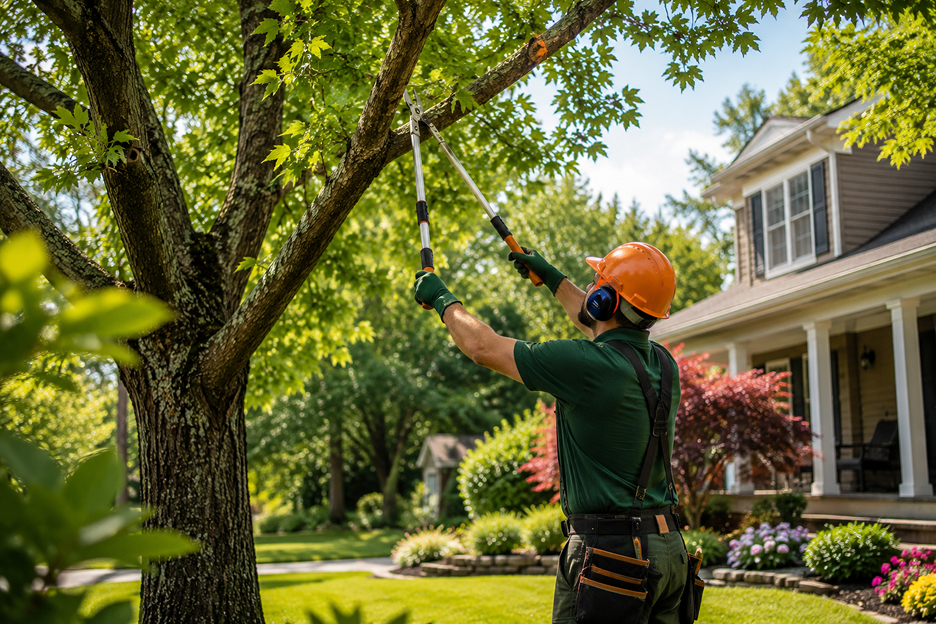
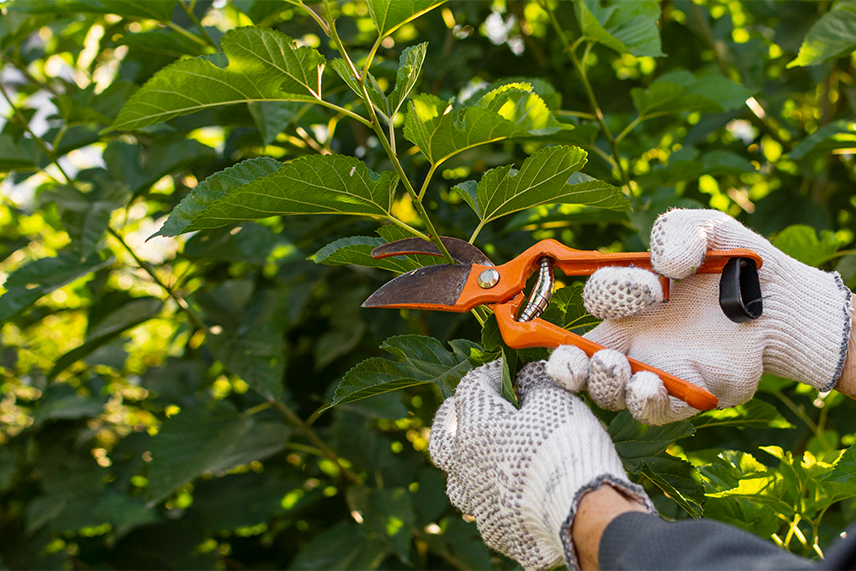
Selective Cleanup Pruning: Spring is an ideal time for light structural trimming. Prune away deadwood, diseased twigs, and crossing branches that rub against each other. Pruning before the foliage completely expands allows you to clearly see branch architecture. However, avoid heavy pruning of spring-flowering trees like crabapples and magnolias until right after they finish blooming.
Soil Aeration & Mulch Refresh: Winter snow melt often compacts heavy Hudson Valley clay soil. Gently loosen the soil within the drip line using a garden fork without disturbing feeder roots. Apply a 2- to 3-inch layer of organic bark mulch around the base, ensuring you leave a 3-inch gap between the mulch and the tree trunk. Never build "mulch volcanoes" against the bark, as trapped moisture fosters fungal rot and invites bark-gnawing rodents.
Summer brings vibrant green foliage and rapid photosynthetic activity, but it also introduces intense heat, intermittent droughts, and insect pressures. Summer care focuses on moisture retention and monitoring tree stress.
Deep, Infrequent Hydration: Shallow lawn sprinkler sprays rarely reach deep tree roots. Trees need slow, soaking irrigation that penetrates 12 to 18 inches down into the root zone. A soaker hose looped around the tree's drip line run for an hour or two once a week is far more effective than frequent brief sprinkles. Young trees planted within the past two years require 10 to 15 gallons of water weekly during hot, dry spells.
Vigilant Pest and Disease Scouting: Warm summer weather accelerates insect breeding cycles. Keep an eye out for telltale signs of trouble: premature leaf yellowing, sticky honeydew residue beneath canopies, skeletonized leaves, or invasive pests such as the Spotted Lanternfly and Emerald Ash Borer. Catching infestations early makes eradication significantly more successful.
Avoid Heavy Mid-Summer Pruning: Trimming large green branches during hot summer months depletes a tree of foliage needed for food production. Pruning wounds also release aromatic sap that attracts destructive borers. Restrict summer cutting strictly to hazardous broken branches or diseased limbs.
Autumn in Upstate New York paints the landscape with brilliant gold and crimson, but as leaves drop, trees begin storing nutrients in their root systems in preparation for winter dormancy. Fall is the time to fortify trees against impending storms.
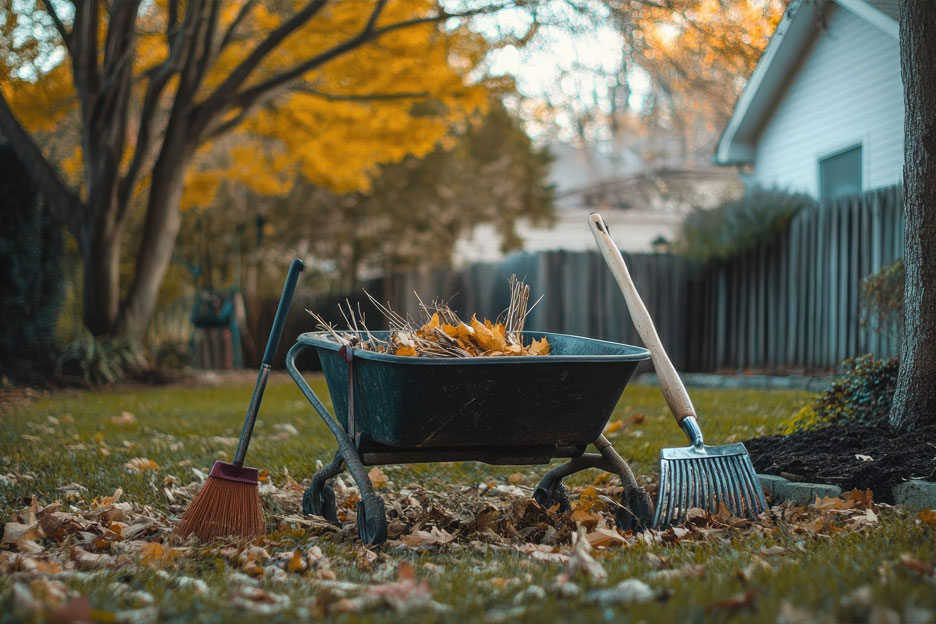
Leaf Management & Sanitation: While fallen autumn leaves provide compost material, diseased leaves harboring black spot, powdery mildew, or anthracnose must not remain under the canopy over winter. Rake, compost, or dispose of infected foliage to prevent fungal spores from reinfecting fresh spring growth next year.
Pre-Winter Hydration: Before the ground freezes solid in late November, give your deciduous and evergreen trees a deep, thorough watering. Evergreens (like hemlocks, spruces, and cedars) continue to transpire moisture through their needles during winter winds; sending them into winter with well-hydrated root zones prevents severe winter needle burn.
Pre-Storm Structural Check: Review your tree canopy for weak V-shaped crotches, co-dominant stems, or branches overhanging rooftops and power lines. Scheduling professional pruning before wet autumn nor'easters and early snow storms prevents costly property emergencies. Our team at Hudson Valley Landscaping & Gardening Inc. specializes in hazard branch removal and preventative crown thinning.
Winter may seem like a season when outdoor care pauses, but dormant trees actually present some of the best opportunities for major structural pruning and preventative protection.
The Power of Dormant Pruning: Late winter (January through March) is universally recognized as the optimal season for pruning most shade and fruit trees in New York. Without foliage, the entire scaffold branching system is visible, allowing for precise, corrective cuts. Furthermore, since trees are fully dormant, sap loss is minimal, and dormant wood heals quickly once spring growth initiates, completely free from fungal spores and insect activity.
Trunk and Bark Protection: Young saplings and thin-barked trees (such as young maples and fruit trees) are vulnerable to "sunscald" on sunny winter afternoons when frozen bark suddenly thaws and cracks. Wrapping trunks with breathable tree guards prevents sunscald and stops hungry deer, rabbits, and voles from chewing nutrient-rich bark during snowy months.
Gentle Snow Removal: Heavy, wet snow accumulation can weigh down branches until they bow dangerously. Use a soft broom to gently brush snow upward off limbs. Never shake frozen branches vigorously or attempt to chip ice away, as frozen wood is brittle and will easily snap.
While routine watering, light pruning, and mulch management can be handled by attentive property owners, major tree care demands professional expertise, specialized rigging gear, and strict safety protocols. Large limbs near utility wires, mature tree crown reductions, and extensive structural evaluations should always be trusted to trained tree specialists. If you notice hollowed trunks, fungus fruiting bodies at the root collar, or leaning trees with uplifted soil, immediate professional assessment is critical.
Ready to enhance the health, safety, and longevity of your property's trees? Contact Hudson Valley Landscaping & Gardening Inc. today for a comprehensive tree assessment, professional seasonal pruning, and expert outdoor maintenance tailored to your property.